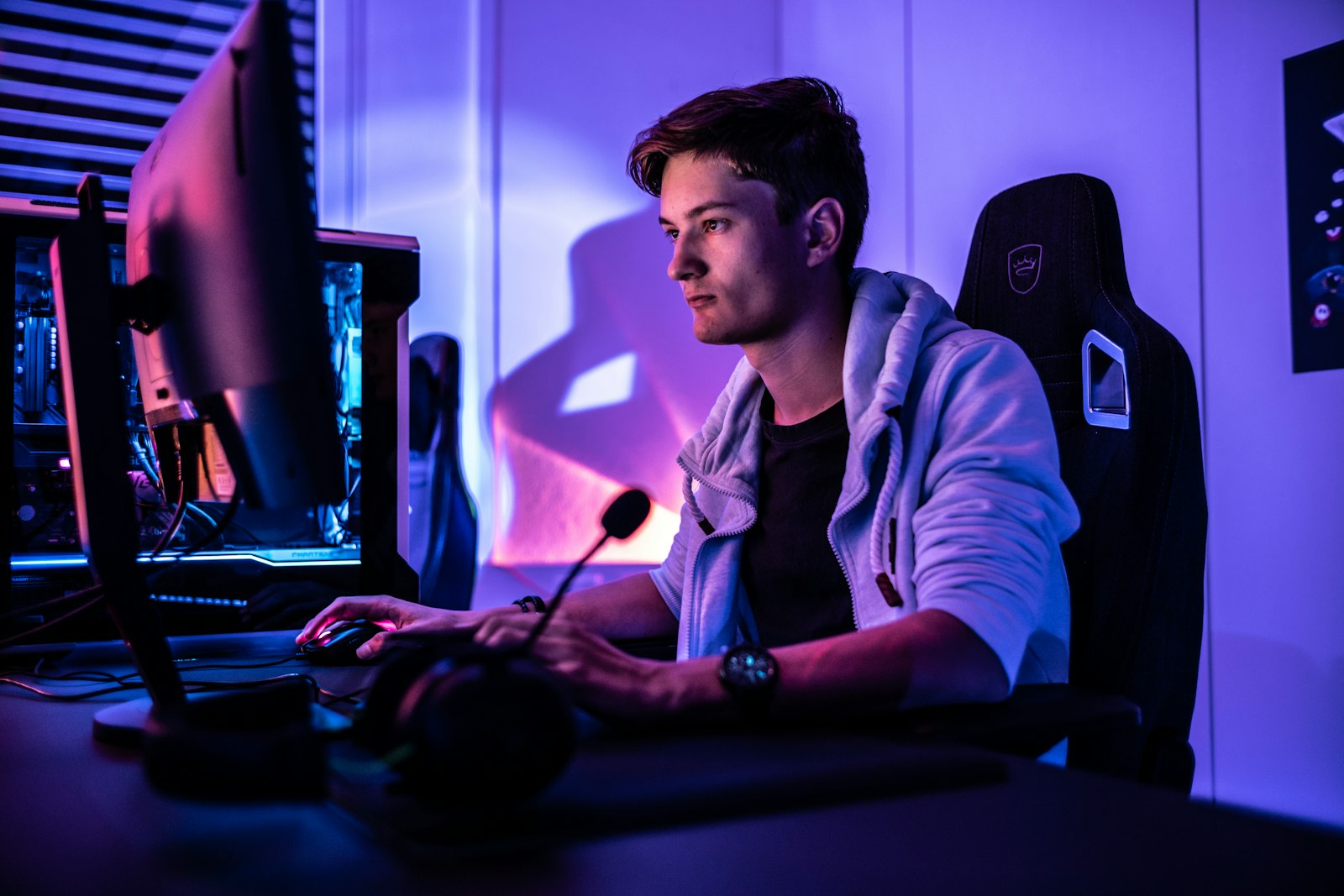
Raw reflexes matter less than you think. Consistent settings, good habits and honest review will take you further than another hundred hours of random matches.
Quick hits
- Pick a sensitivity you can control and stop changing it, so your muscle memory can build.
- Keep your crosshair at head height and where enemies are likely to appear.
- Short, focused aim practice beats long, unfocused sessions.
- Positioning, sound and map knowledge win more fights than flicks.
- Watching your own matches shows mistakes you don’t notice while playing.
Competitive shooters reward players who are consistent. Pros don’t win because they flick faster every time; they win because they’re in the right place, with their crosshair in the right spot, making fewer mistakes. These habits work across most team-based and battle royale shooters.
Lock in your settings
- Choose a sensitivity and stick with it. Constant changes reset your muscle memory.
- Turn off mouse acceleration in your game and in your operating system, so the same hand movement always moves the same distance. On Windows, that’s the “Enhance pointer precision” setting.
- Aim for a stable frame rate. Lower some graphics settings if your frame rate drops in busy fights. Our guide to choosing a gaming monitor explains refresh rates.
Crosshair placement
Keep your crosshair at head height and pointed where enemies are likely to appear, such as corners and doorways. Good placement means you only need small adjustments when someone appears, instead of a big flick.
Pro tip
Walk around an empty map and practice “pre-aiming” common angles at head height. It feels basic, but it’s one of the fastest ways to improve.
Practice with purpose
- Warm up for 15 to 20 minutes before ranked matches.
- Focus on one skill per session, such as tracking moving targets or quick target switching.
- Stop when you’re tired. Sloppy practice builds sloppy habits.
Build game sense
- Learn the maps: common routes, hiding spots and timings.
- Use sound: footsteps and reloads give away positions; good headphones help.
- Think about position: fight from cover, avoid open ground and don’t peek the same angle twice.
Communicate clearly
Short, specific callouts help your team: where the enemy is, how many and how hurt. “Two at the left stairs, one is low” is more useful than a running commentary.
Review your matches
Watch replays of games you lost. Look for moments where you were caught out of position or rushed into a fight you didn’t need to take. One honest review often teaches more than several more matches.
Keep it fun
Improvement isn’t a straight line, and long losing streaks happen to everyone. If you’re grinding without enjoying it, read our guide to avoiding gaming burnout.
Player questions
Do I need an expensive mouse or monitor to improve?
Not to start. A comfortable mouse and a stable frame rate matter most. A higher refresh rate monitor can help later; see our monitor guide.
Should I copy a pro player’s settings?
It’s a reasonable starting point, but your setup, grip and desk space differ. Adjust until you can track and flick comfortably, then leave it.
How long should I spend in aim trainers?
Fifteen to twenty minutes of focused practice before playing is plenty for most people. Quality matters more than time.
What if I keep losing my temper during matches?
Take a break after a couple of losses in a row. Playing tilted usually leads to more losses and less learning.
Games, platforms and settings change with updates, so check the official help pages for your platform if something looks different.